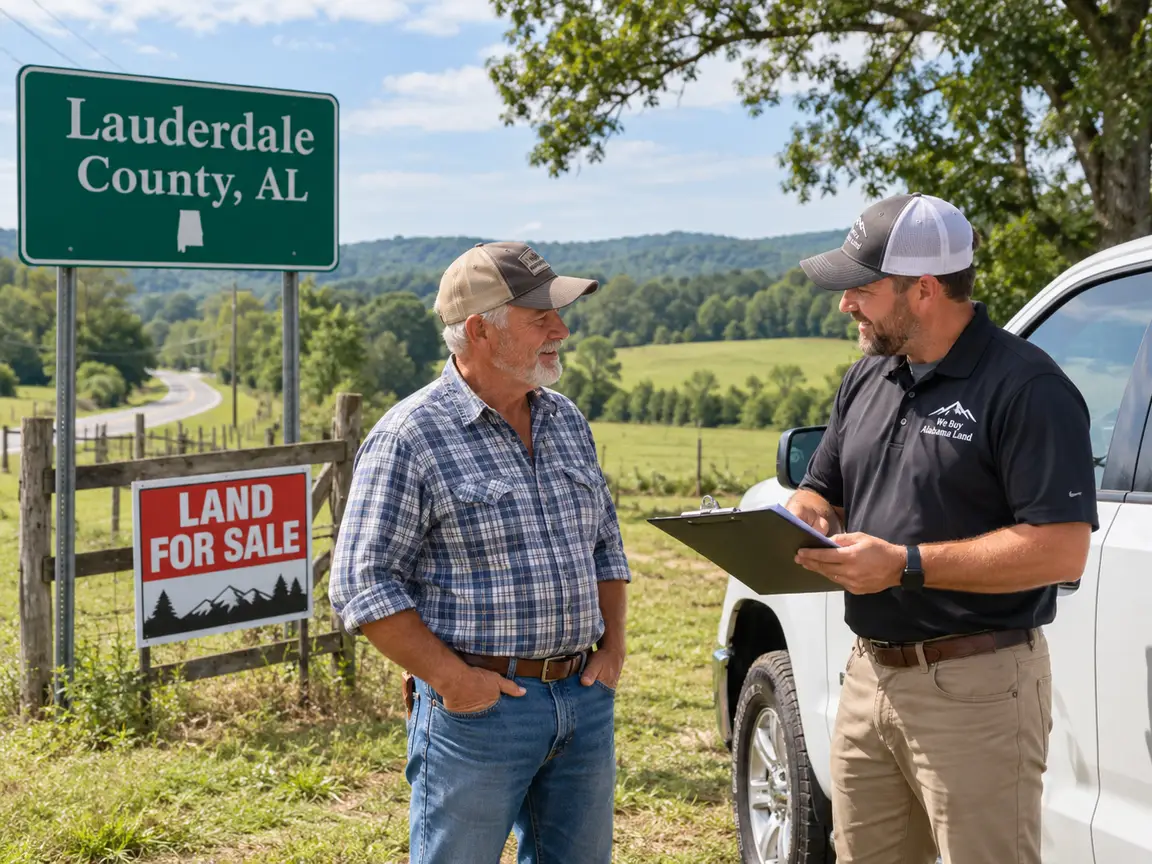
If you own land in Lauderdale County and no longer want it, you are in good company. Plenty of owners in the Shoals area inherit a few acres, buy a lot with big plans that never happen, or simply get tired of paying taxes and mowing a property they never visit. The good news is that you have more than one way to sell, and you do not have to wait on a listing sign to do it.
This guide walks through what makes Lauderdale County land unique, what tends to affect its value, and how to choose a selling route that fits your timeline.
A quick look at Lauderdale County
Lauderdale County sits in the northwest corner of Alabama, bordering Tennessee to the north and Mississippi to the west. The county seat is Florence, and the area includes Muscle Shoals, Sheffield, Killen, Rogersville, Lexington, Waterloo, and Anderson, along with a lot of open country in between. The Tennessee River runs along the southern edge, and the Natchez Trace Parkway passes through the county.
That mix of small cities, river and lake frontage, farmland and wooded tracts means land here can look very different from one parcel to the next. A lot near Florence and the University of North Alabama draws a different kind of buyer than a rural tract with a gravel road and no utilities.
What affects the value of Lauderdale County land
No two parcels are alike, but a few things usually matter most.
Location and access. Land close to Florence, Muscle Shoals, or major roads generally attracts more interest than remote acreage. Legal, year-round access matters a great deal. A parcel with no deeded or recorded access can be hard to sell on the open market.
Water and utilities. Frontage on or near the Tennessee River, Wilson Lake, or Pickwick Lake can raise interest. So can nearby water, power, and sewer or a workable spot for a septic system.
Size and shape. A clean, usable acreage is easier to price than a narrow strip or a wet corner lot. Hunting and timber tracts are valued differently from building lots. If your land has merchantable timber or hunting use, our guide to selling hunting land in Alabama explains what buyers look at.
Zoning and restrictions. Inside city limits, zoning controls what can be built. Out in the county, deed restrictions, easements, or floodplain areas can limit your options.
Taxes and title. Unpaid taxes, liens, or unclear ownership can slow a sale. If any of that sounds familiar, read our guides on Alabama tax liens and selling land with multiple owners before you list.
Property taxes and current use
Alabama land is generally taxed at a lower rate than homes, and land used for farming or forestry may qualify for current use valuation if you applied for it. Published estimates put typical effective property tax rates in Lauderdale County well under one percent of market value, but your bill depends on how your parcel is classified and assessed. Check your most recent tax notice with the county revenue commissioner’s office.
One thing to watch: if you sell land that was enrolled in current use and it changes to a different use, a rollback tax can come into play. We cover how that works in our Alabama current use rollback tax guide.
Three ways to sell your land
1. List it with a real estate agent. An agent can market your land to a wide audience. The trade-offs are commissions, marketing time, and the chance that land sits for months. Rural and unusual parcels often take the longest.
2. Sell it yourself. You keep the commission, but you handle the pricing, advertising, showings, and paperwork. It can work for desirable, easy-to-explain parcels. If you are leaning this way, take a few minutes to compare your options for selling land first.
3. Sell directly to a cash buyer. A direct buyer purchases land as is, with no commissions, no fees, and no need for the buyer to wait on a bank loan. This is usually the fastest path, and it is the one many owners choose when they want certainty. Our simple selling process shows how it works from first call to closing.
Land that is harder to sell
Some Lauderdale County parcels do not fit the traditional market well, such as landlocked lots, land with back taxes or liens, inherited property with several heirs, or acreage with a mobile home left on it. Those are exactly the situations where a direct buyer can help, because we buy as is and work through the details with you instead of asking you to fix everything first.
How a cash sale works
The steps are simple.
- You tell us about your property, including the county and roughly where it is.
- We review the parcel and send you a fair, no-obligation cash offer.
- If you accept, a title company or attorney handles the closing paperwork.
- You choose the closing date and get paid.
You are under no obligation until you sign. Have more questions? Our frequently asked questions cover the most common concerns sellers bring up.
Before you sell: a short checklist
- Find your deed and your latest tax bill.
- Confirm who is on the title, especially if the land was inherited.
- Locate any survey, easement, or access documents you have.
- Note any back taxes, liens, or loans against the property.
- Decide how quickly you want to close.
You do not need everything on this list to get started. If something is missing, tell us, and we will help you sort it out.
Ready to move on?
You do not have to keep paying taxes on land you no longer want, and you do not have to wait months for a buyer who may never show up. If you own land anywhere in Lauderdale County, we would be glad to take a look. Request your free, no-obligation cash offer and find out what your land is worth to us today.