

updated July 2026
Are you thinking about selling land in Alabama? If so, then you might be wondering this common question: who pays when selling land in Alabama? In this article, we’ll reveal the surprising answer.
The common perception of land sales involves the seller receiving a check in exchange for the deed. This seems straightforward – the buyer pays the seller. However, the reality of who pays when selling land in Alabama may be quite unexpected and different from this initial assumption. Not sure which selling path fits your situation? Compare your options for selling Alabama land before you commit to one.
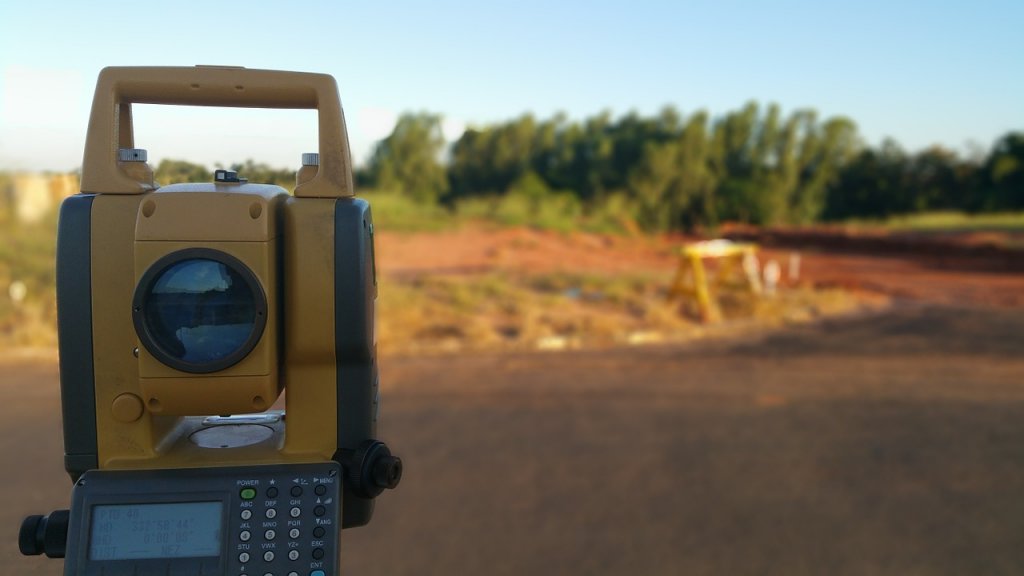
As a land seller, you’ll find yourself shouldering various expenses upfront. Initially, you may need to invest in services like a property survey (typically $500–$1,500 in Alabama, depending on parcel size and terrain), site analysis, or geological assessments to determine the land’s potential and value. If your buyer’s lender requires a fresh survey before closing, sellers customarily cover that cost too — though it’s negotiable and worth raising during the offer stage.
Working with a real estate agent to sell your property brings its own set of costs. During the period the agent is marketing your land, you’ll be responsible for ongoing expenses such as mortgage payments, utility bills, taxes, and insurance on the property. Unfortunately, the agent may or may not sell your property promptly, meaning you may be stuck paying property taxes and other fees on the property for months without an end in sight. This uncertainty is an issue for people who would rather sell their property quickly and move on.
Even when a buyer is found, your financial obligations don’t end. The process often involves collaborating with legal professionals, title companies, and possibly others to handle the necessary paperwork. All these services incur costs that you, as the seller, are expected to pay. If you did not shop around for a good closing company, you could be paying significant fees that might not make sense if the value of the land is relatively low. And if back taxes or an old lien surface during that title search — common on land that’s passed through a family for years — that’s yet another cost to untangle before you can close. Here’s exactly how back taxes or liens affect an Alabama land sale and what to do about them.
When the sale is finally concluded, you’ll receive the payment for your property. This payment might be direct from a cash buyer or through a bank if the buyer secures a mortgage. However, before you can enjoy the proceeds, any existing mortgage and liens on the property must be settled. This is usually determined by the liens and encumbrances search that is completed by the closing company. It is important to ensure that this is accurate and that they are not mixing up people with similar names for liens and debts.
Additionally, you’re not done with expenses yet. The real estate agent’s commission is also your responsibility and is usually deducted from the sale proceeds. In Alabama, combined buyer’s and seller’s agent commissions typically run close to 6% of the sale price — though since the 2024 national settlement over agent pay disclosure, commission rates are fully negotiable and no longer automatically advertised to buyers’ agents through the MLS. On a $50,000 land sale, that’s roughly $3,000 coming out of your proceeds before you see a dime.
To sum up, in Alabama land sales, the seller bears multiple costs throughout the process, while the buyer or their bank makes a single, final payment. This realization has led many sellers to seek alternative, more financially feasible methods of selling. Instead of navigating these costly and complex steps, sellers are increasingly opting for quick, cash offers. This approach not only bypasses the hefty upfront costs but also offers a faster and potentially more straightforward way to sell land. Want to see exactly how a cash sale sidesteps most of these costs? Here’s our step-by-step process.